Unpacking the role of targeted app alerts in converting casual users into dedicated participants within digital betting loyalty systems
Lars Becker · Jul 25, 2026
Unpacking the role of targeted app alerts in converting casual users into dedicated participants within digital betting loyalty systems
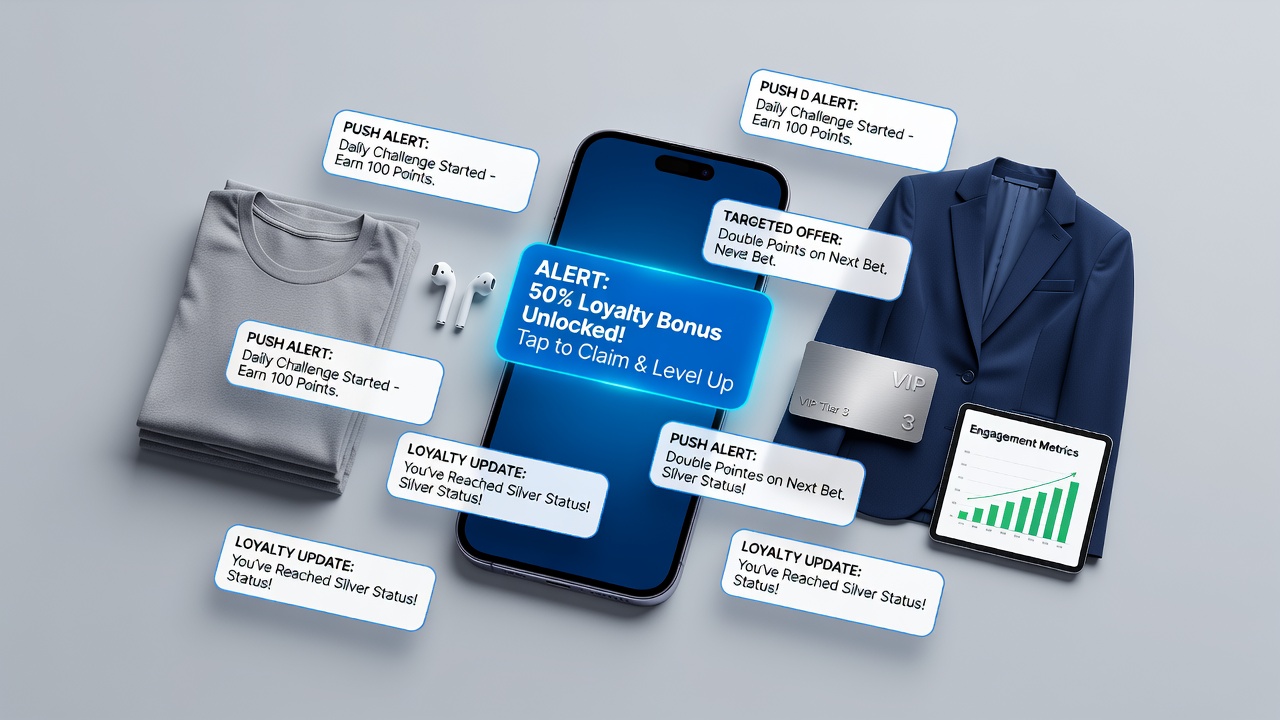
Targeted app alerts operate as precision tools within digital betting loyalty systems, and operators deploy them to bridge the gap between initial user engagement and sustained participation across tiered reward structures. These notifications draw from user data including deposit frequency, game preferences, and session duration, then deliver customized prompts that align with individual progress toward loyalty milestones. Research from industry analysts shows that such alerts increase the likelihood of repeat logins by highlighting specific rewards tied to a user's current activity level, while avoiding generic messaging that often gets ignored.
Mechanics Behind Alert Personalization
Systems track behavioral signals in real time, and algorithms segment users into cohorts based on metrics like time since last deposit or games played in a given category. Once patterns emerge, alerts trigger at optimal moments, such as when a user approaches a new loyalty tier threshold, and they include direct links to the relevant section of the app where progress can advance. Data indicates this approach reduces drop-off rates compared to broad campaigns, because the content matches the user's demonstrated interests rather than offering blanket promotions.
Platforms integrate these alerts with loyalty program databases, so a notification might reference accumulated points toward a particular benefit, and the message arrives via push, in-app banner, or email depending on user settings. Operators in multiple jurisdictions report that sequencing matters, and alerts sent shortly after a qualifying action tend to produce higher conversion to the next tier than those sent at random intervals.
Regional Data and Implementation Patterns
Figures from the American Gaming Association reveal steady growth in mobile loyalty program enrollment through 2026, and targeted notifications contribute to that trend by guiding users through initial trial phases into structured advancement tracks. In July 2026, several operators updated their alert frameworks to incorporate location-based triggers alongside behavioral ones, which further refines timing for users who engage primarily during specific windows such as evenings or weekends.
Canadian provincial regulators, including those overseeing Ontario's iGaming market, have documented how notification cadence affects retention metrics across licensed platforms. Reports show that limiting alerts to three or fewer per week while ensuring each one carries actionable loyalty value correlates with longer average user lifecycles. European operators following Malta Gaming Authority guidelines similarly emphasize transparency in alert content, requiring clear disclosure of how the message relates to the recipient's existing account status.
Conversion Pathways and Loyalty Integration
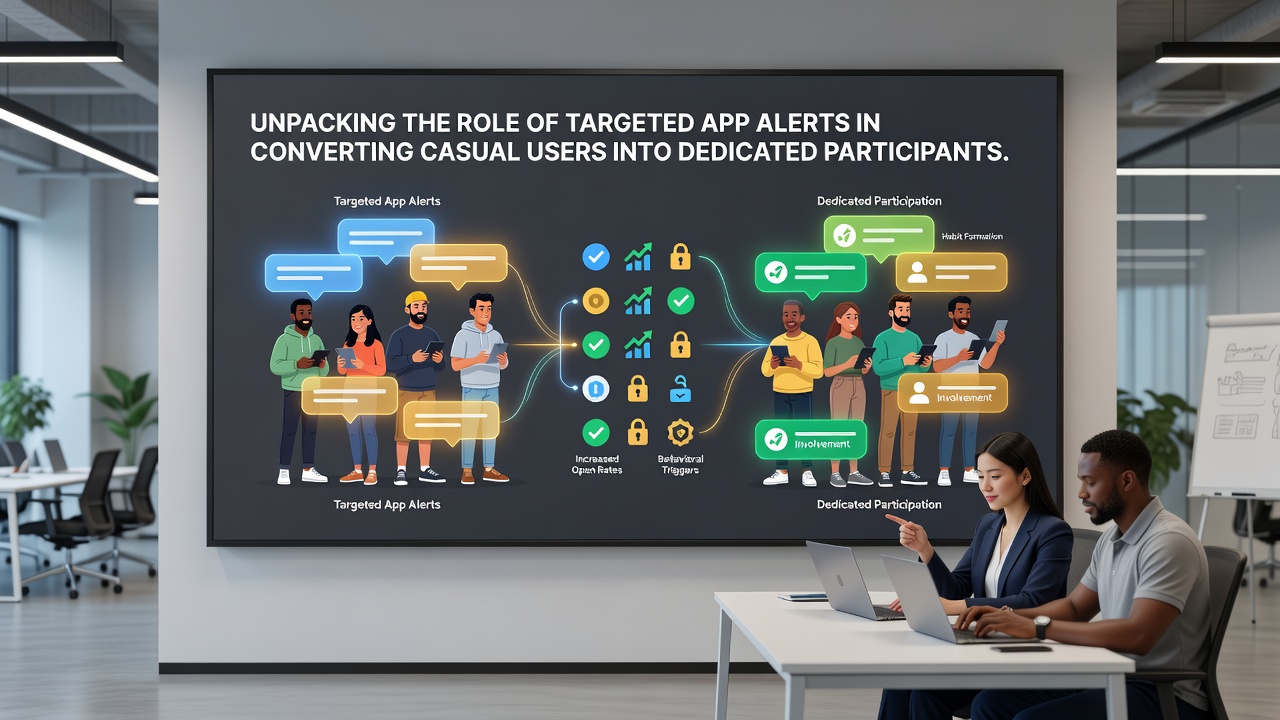
Alerts function as entry points that funnel casual users toward deeper program involvement, and they often highlight micro-goals such as completing a set number of qualifying wagers to unlock the next reward level. Once users respond to an alert and complete the suggested action, the system automatically logs the activity into the loyalty profile, which then generates follow-up messages confirming the updated status. This closed loop creates incremental momentum, and analysts note that users who engage with at least one targeted alert per month show elevated rates of tier elevation over six-month periods.
Case examples from operators demonstrate that combining alerts with visual progress bars inside the app strengthens the connection between the notification and the loyalty framework. A user who receives an alert about nearing a silver tier might open the app, view their current point balance, and complete the remaining requirement in the same session. Tracking data across platforms indicates this sequence converts one-time participants into recurring ones more effectively than static reward listings alone.
Measurement of Effectiveness
Key performance indicators include click-through rates on alerts, subsequent deposit frequency, and time to next loyalty tier achievement. Studies conducted by research arms of gaming trade groups show that personalized alerts outperform non-targeted messages by margins ranging from 25 to 40 percent on these metrics, depending on the market segment. Platforms refine their models continuously by A/B testing message variants, timing windows, and incentive types, while maintaining compliance with regional advertising standards that govern promotional content.
Observers note that successful implementations balance frequency with relevance, because excessive alerts risk notification fatigue even when the content remains targeted. Data collected through July 2026 suggests an optimal window exists where alerts reinforce loyalty progress without overwhelming the user, and operators adjust thresholds based on aggregate response patterns rather than individual assumptions.
Conclusion
Targeted app alerts serve as structured connectors between casual interaction and dedicated loyalty participation in digital betting environments. Evidence from regulatory reports and industry tracking demonstrates measurable impacts on user progression through tier systems when alerts draw directly from behavioral data and align with existing program rules. As platforms continue to refine delivery mechanisms through 2026 and beyond, the role of these notifications remains tied to measurable retention outcomes across diverse regulatory landscapes.