Unlocking Referral Chain Reactions Linking Initial Slot Trials to Multi-Year Status Benchmarks Across Smartphone Casino Networks
Jakob Reed · Aug 1, 2026
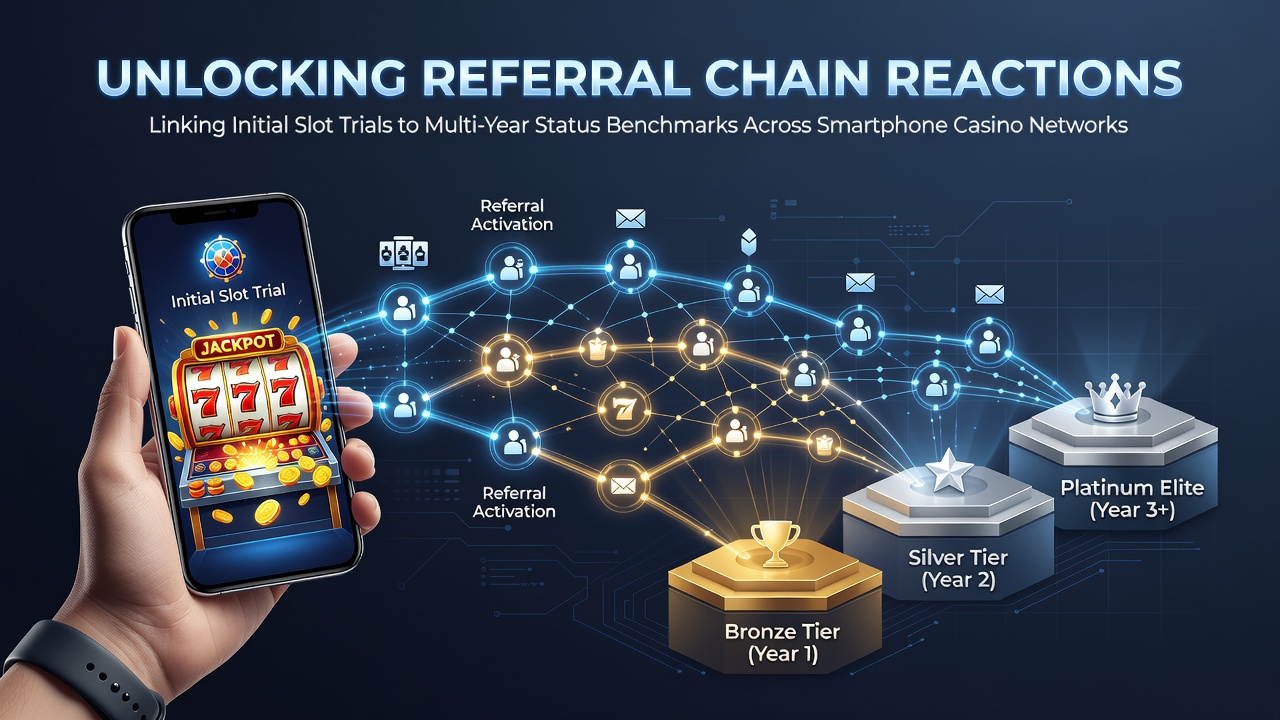
Unlocking Referral Chain Reactions Linking Initial Slot Trials to Multi-Year Status Benchmarks Across Smartphone Casino Networks
Referral systems in smartphone casino networks operate through sequenced activation patterns that convert one-time trial participants into sustained members tracked across multi-year loyalty frameworks, and data from industry tracking platforms shows these chains begin with entry-level slot trials distributed via unique referral codes.
Mechanics of Initial Trial Activation
Users download dedicated apps and enter referral identifiers during registration, which triggers a series of introductory spins on selected slot titles while simultaneously logging the referral source into the network's central database, and this initial step establishes the foundation for subsequent chain reactions because each successful conversion credits both the referrer and the new participant with tier advancement points.
Network operators maintain records that link these early rotations directly to status benchmarks, where completion of a set number of trials within a defined window unlocks the next participation level, and figures from mobile gaming analytics indicate that chains extending beyond the first month demonstrate higher retention rates when users share their own referral links with contacts.
Progression Through Layered Status Benchmarks
Once activated, the referral chain feeds into cumulative tracking modules that measure activity over quarters and years, with benchmarks set at intervals such as six months of consistent engagement or accumulated wager volumes that qualify participants for elevated tiers, and these markers appear in user dashboards as progress bars updated in real time.
Observers note that smartphone platforms integrate push notifications at key milestones to prompt continued participation, which sustains the chain reaction by reminding users of pending status upgrades tied to their original referral lineage, and case examples from major networks reveal that multi-year participants often trace their current rank back to a single introductory trial initiated through such a link.
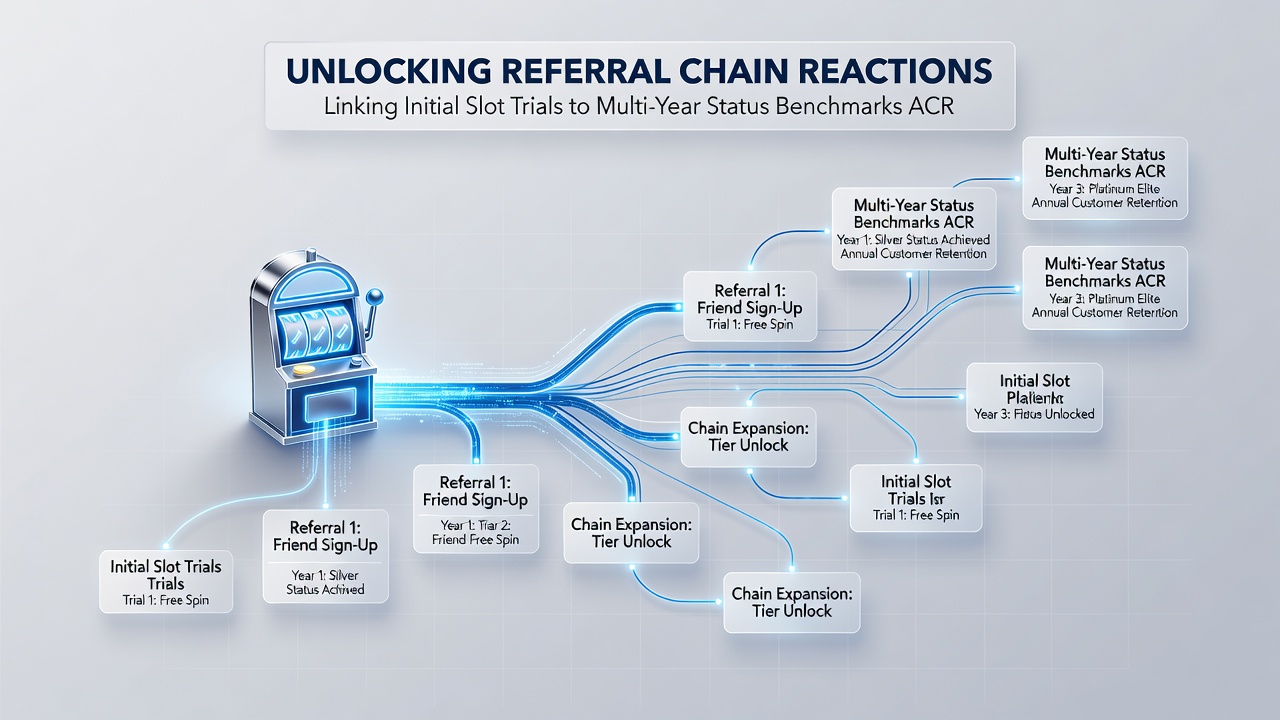
Network-Wide Data Patterns Observed in 2026
Records compiled through August 2026 highlight expansion in cross-device synchronization features that allow referral chains to persist across phone upgrades and operating system updates, thereby extending the timeline from initial trial to multi-year status without interruption, and regulatory filings submitted to bodies like the Nevada Gaming Control Board document the technical standards operators must meet when managing these persistent identifiers.
Research compiled by the Australian Institute of Criminology examines similar loyalty structures in digital entertainment sectors and identifies patterns where early incentives evolve into enduring participation ranks when referral incentives align with tiered reward schedules.
Integration With Broader Loyalty Ecosystems
Smartphone casino networks embed referral data into larger loyalty architectures that include seasonal events and collaborative challenges, which accelerate chain reactions by offering bonus multipliers for users who recruit additional participants during specified periods, and this integration creates feedback loops because each new entrant restarts the cycle with their own trial sequence.
Analysts reviewing transaction logs report that chains originating from August 2026 promotional windows show measurable extensions into projected 2028 and 2029 status levels when users maintain minimum activity thresholds, and network administrators adjust benchmark criteria periodically based on aggregated performance metrics collected across user cohorts.
Conclusion
Referral chain reactions in smartphone casino environments function as structured pathways that connect entry-level slot trials with extended status benchmarks measured in years rather than weeks, and continued monitoring by operators and external research entities provides ongoing documentation of how these systems scale across expanding user bases.