The Subtle Mechanics of Code-Driven Transitions from Trial Spins to VIP Status in App-Based Gaming
Bianca Hartmann · Jun 4, 2026
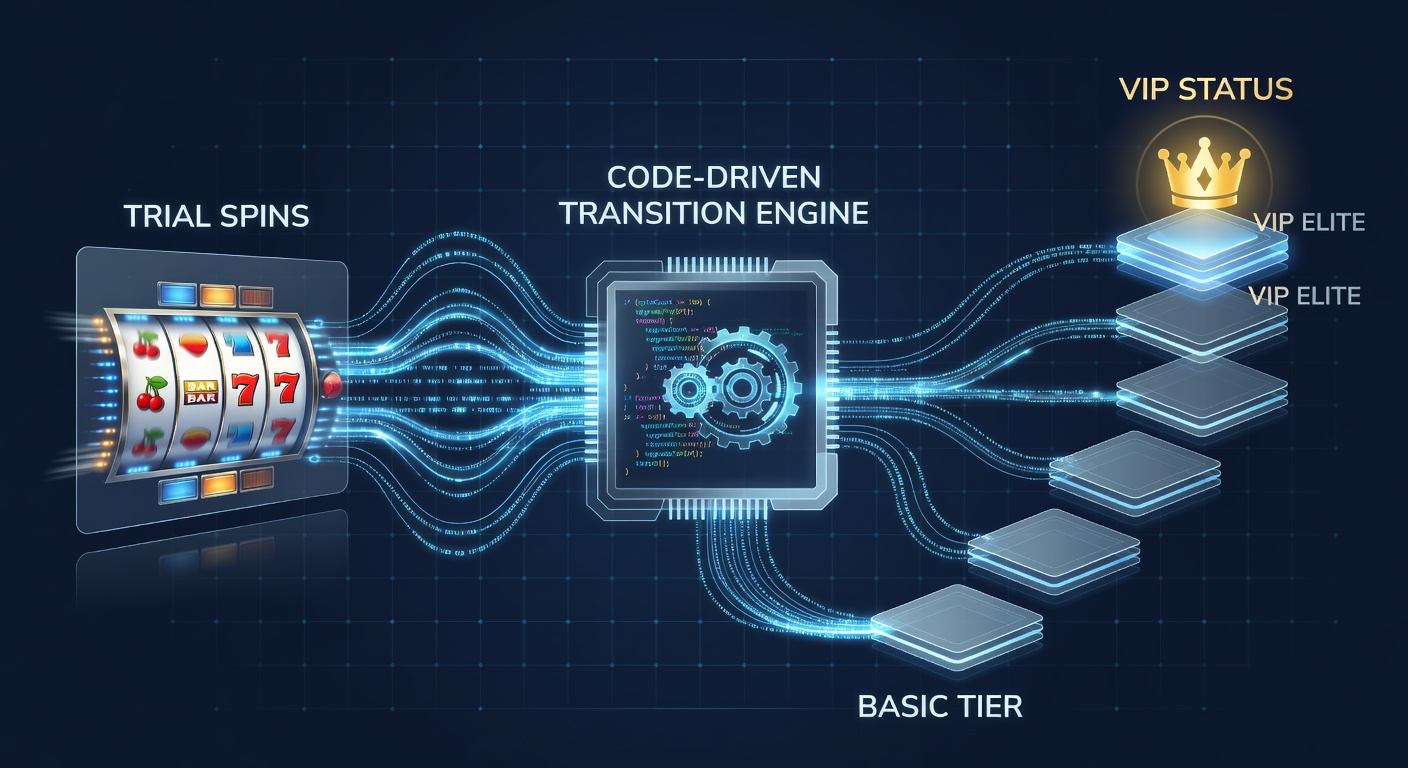
The Subtle Mechanics of Code-Driven Transitions from Trial Spins to VIP Status in App-Based Gaming
App-based gaming platforms structure trial spins as initial entry points that feed into broader reward systems through sequenced code activations. These mechanics operate via backend algorithms that track spin outcomes, bonus redemptions, and cumulative activity metrics before assigning tiered status levels. Data from industry reports indicates that such transitions rely on predefined thresholds where introductory play converts into sustained membership markers without direct user intervention beyond standard engagement patterns. Observers note that trial spins typically generate base-level data points including spin counts, win frequencies, and session durations. Platforms then apply code sequences to layer these points into loyalty frameworks, often through automated scripts that recognize patterns like repeated logins or specific game selections. Research from the American Gaming Association shows participation in these systems has grown steadily across mobile environments as developers refine the underlying transition protocols.Activation Sequences and Data Tracking
Code-driven systems begin with unique identifiers embedded in trial spin promotions that link directly to user accounts. Once activated, these codes trigger monitoring modules that record every subsequent interaction and feed the information into centralized databases. Multiple variables receive simultaneous evaluation including time between sessions, total wagers placed, and any secondary bonus claims, which together determine progression velocity toward higher tiers.
Platforms maintain separate tracking layers for free spins versus paid play, yet both streams contribute to unified loyalty scores. Engineers design these layers to prevent overlap while still allowing cross-pollination of metrics when certain conditions align, such as consecutive days of activity or achievement of minimum play volumes. Figures from regulatory filings reveal consistent application of these layered calculations across major operators.
Progression Thresholds and Tier Elevation
Transition points occur at predefined numerical benchmarks where accumulated data triggers automatic status upgrades. Trial participants who meet minimum engagement criteria receive elevation notices through in-app notifications that detail the exact metrics responsible for the change. These thresholds adjust periodically based on aggregate platform data to maintain balanced reward distribution across user segments.
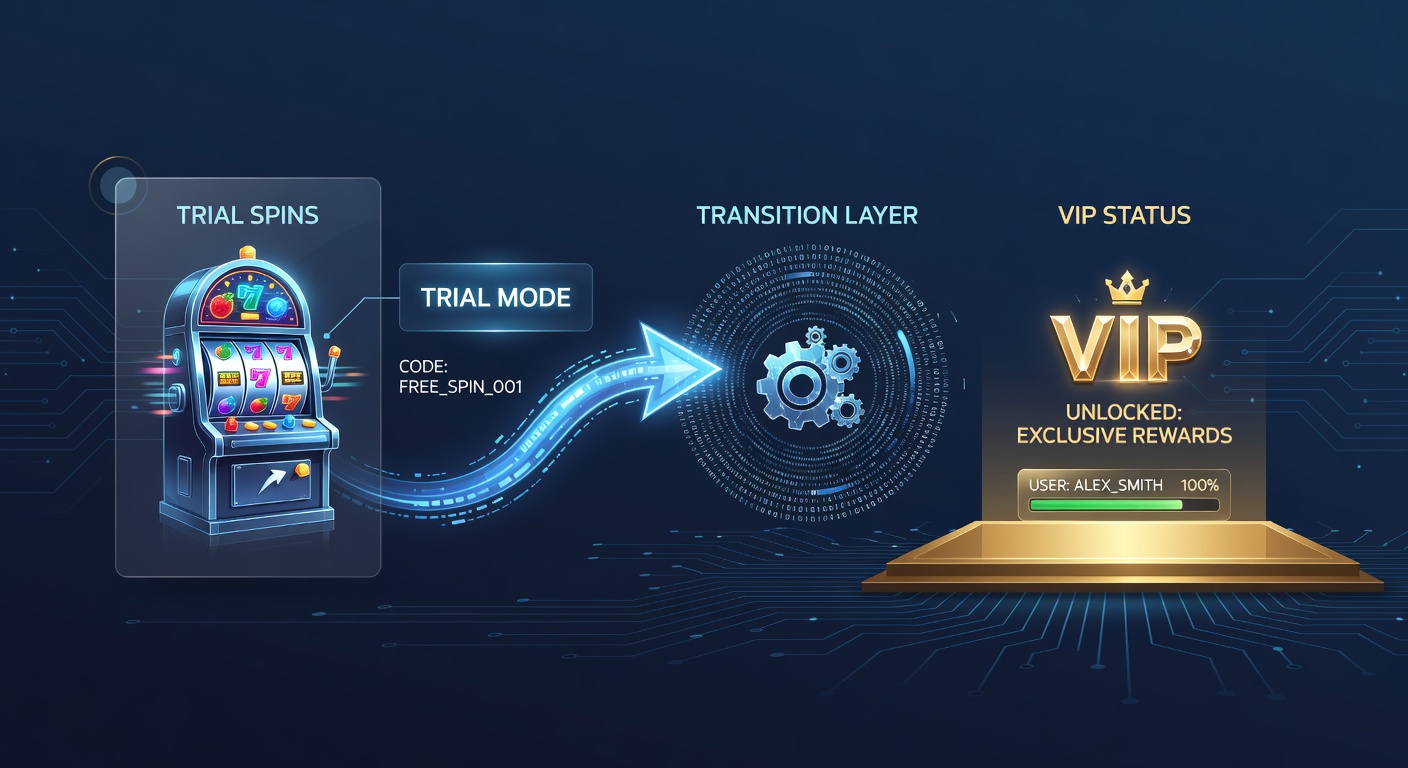
VIP status itself subdivides into multiple gradations, each carrying distinct benefit packages that activate upon code confirmation of the new tier. Lower tiers focus on extended spin access and minor multipliers while higher levels unlock personalized offers adn priority support channels. June 2026 regulatory updates in several jurisdictions prompted operators to publish clearer documentation of these tier criteria following reviews of transparency standards in digital gaming environments.
Integration of External Factors
External variables such as device type, geographic location, and referral sources influence how quickly trial activity converts into VIP recognition. Code sequences incorporate these factors through weighted scoring systems that prioritize certain user profiles during evaluation cycles. Regulatory bodies including the Nevada Gaming Control Board have examined these weighting mechanisms to ensure compliance with fairness guidelines that apply equally to all participants.
Developers implement safeguards against artificial inflation of metrics through rate-limiting protocols and pattern-recognition filters. These measures detect clustered activity that deviates from established norms and pause progression until verification occurs. Industry analyses confirm that such filters maintain system integrity while still permitting legitimate rapid advancement for highly active users.
Conclusion
Code-driven transitions from trial spins to VIP status function through interconnected tracking, activation, and elevation processes that operate continuously within app-based gaming platforms. These systems convert initial engagement data into sustained membership benefits via automated sequences that respond to user behavior patterns. Ongoing refinements to these mechanics reflect both technological capabilities and regulatory expectations across operating regions.