The Dynamics of Entry Incentives and Hierarchical Membership Systems in Mobile Casino Environments
Hugo Foster · Aug 25, 2026
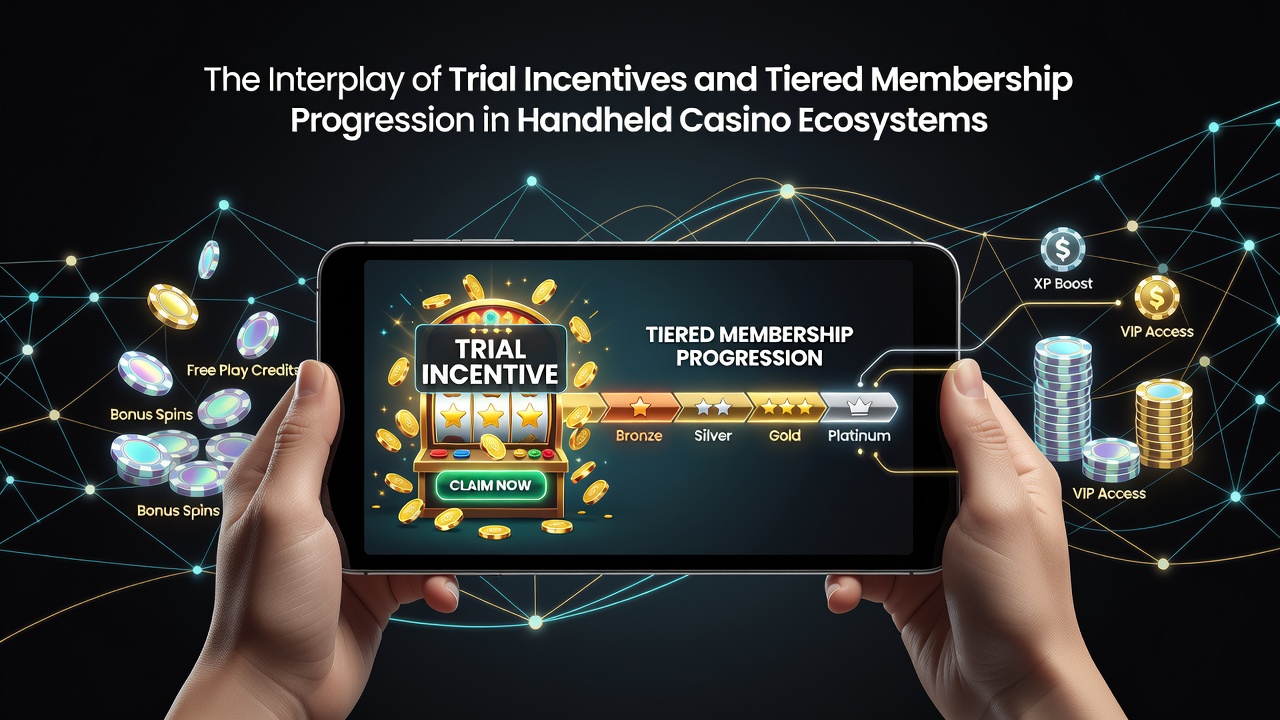
The Dynamics of Entry Incentives and Hierarchical Membership Systems in Mobile Casino Environments
Handheld casino platforms integrate trial incentives such as no-deposit spins and limited-time bonuses with tiered membership structures that track player activity through cumulative points and status levels, and data from regulatory filings shows these systems operate across multiple jurisdictions as of August 2026. Trial incentives typically activate upon initial app registration, providing limited access to slot games or table simulations that accumulate toward higher tiers without requiring immediate deposits, while membership progression relies on algorithms that convert play frequency, wager amounts, and session duration into advancement markers.
Mechanics of Incentive Activation and Status Tracking
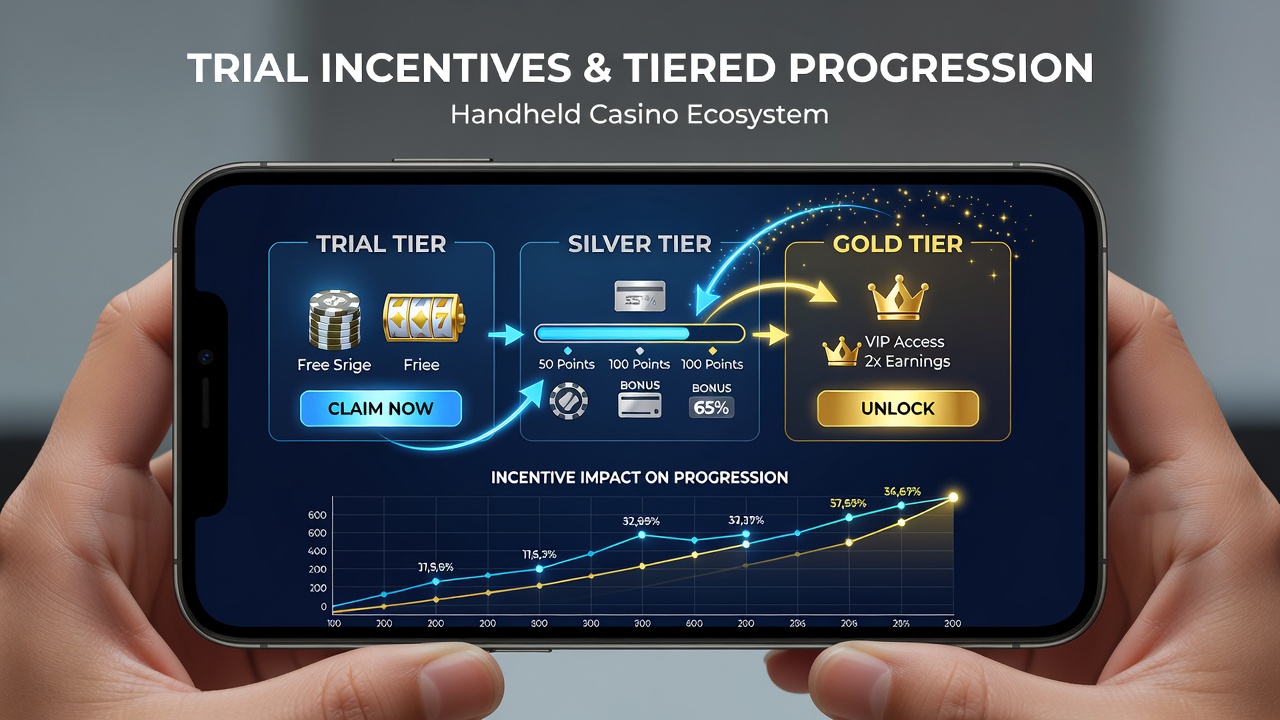
Entry-level rewards enter player accounts through code sequences that link directly to loyalty databases, and operators configure these triggers so that each completed spin or round increments a hidden progression meter visible only after certain thresholds. Research from the New Jersey Division of Gaming Enforcement indicates mobile platforms recorded over 40 percent of total wagers through incentive-driven sessions in early 2026, with tier advancement occurring when accumulated metrics reach predefined benchmarks such as 500 loyalty points for silver status or 2,000 for gold. These benchmarks vary by operator yet follow consistent patterns where trial play extensions feed into permanent markers once players complete verification steps or meet minimum activity requirements.
Code Sequencing and App-Based Transitions
Promo codes function as gateways that convert introductory rotations into structured advancement tracks, and developers embed sequencing logic that prevents immediate tier resets while allowing carryover of partial progress across devices. When a user redeems an activation code, the system logs the transaction in a centralized ledger that updates the membership profile in real time, and this process creates pathways where casual trial spins evolve into sustained participation ranks. Observers note that handheld ecosystems often stagger reward releases to maintain engagement momentum, releasing additional spins or multipliers only after players achieve the next membership tier.
Industry reports highlight how notification systems complement these mechanics by delivering customized alerts that prompt further activity aligned with current tier requirements. A player starting at the base level might receive prompts tied to daily login streaks that accelerate point accumulation, and these alerts integrate with the same database tracking incentive usage to prevent duplication or abuse.
Regional Variations in Loyalty Framework Design
Platforms operating under different regulatory environments adapt incentive structures to comply with local rules while preserving the core conversion from trial rewards to membership elevation. In markets overseen by the Malta Gaming Authority, operators emphasize transparent disclosure of how trial spins contribute to tier points, whereas Canadian provincial frameworks require explicit separation between promotional play and real-money wagering for status calculations. Data compiled by the Canadian Gaming Association shows membership retention rates improve when trial incentives include clear pathways to the first paid tier, with conversion rates reaching 28 percent within 30 days of initial activation across monitored applications.
Advancement algorithms frequently incorporate time-bound multipliers that amplify point earnings during promotional windows, and these windows align with broader marketing cycles that encourage players to maintain activity between incentive redemptions. One study from an academic gaming research group revealed that players who combine multiple trial incentives before advancing to silver status demonstrate higher long-term engagement metrics than those who skip the entry phase entirely.
Integration of Perk Mechanisms Across Virtual Networks
Interlinked perk systems allow entry incentives to influence enduring participation ranks by routing reward outputs through shared loyalty engines that span multiple game categories. Slot-focused trials often contribute disproportionately to tier progress because of higher spin volumes, yet table game bonuses receive adjusted multipliers to balance overall contribution. Operators document these interactions through audit trails submitted to oversight bodies, and the resulting datasets illustrate how initial trial activity correlates with sustained status maintenance over quarterly periods.
Those who have examined mobile gaming hierarchies observe that notification cascades frequently trigger secondary incentives once a player crosses into a new tier, creating feedback loops that reinforce continued participation. These loops rely on real-time data synchronization between the app interface and backend membership servers to ensure seamless updates without disrupting active sessions.
Conclusion
The interplay between trial incentives and tiered membership progression in handheld casino ecosystems centers on algorithmic connections that transform limited introductory access into ongoing loyalty milestones, and regulatory data from multiple regions continues to track these patterns through 2026. Systems rely on code sequencing, point accumulation rules, and notification integration to maintain consistent advancement across diverse player bases while adhering to jurisdictional requirements.