Maverick Gaming Announces Two More Washington Casino Closures Amid Operational Shifts
Jakob Reed · Jun 9, 2026

Maverick Gaming Announces Two More Washington Casino Closures Amid Operational Shifts
Maverick Gaming has confirmed plans to close two additional casino properties in Washington state as part of ongoing operational adjustments that began earlier this year, and the decision aligns with previous announcements regarding closures and workforce reductions across the region.
Details of the Latest Closure Plans
Company representatives outlined the closures during a June 2026 update that referenced site-specific timelines and transition support for affected employees, while the properties involved include locations that have operated under Maverick Gaming management for several years. Observers note that these moves build directly on earlier statements about facility reviews and cost management strategies that the operator initiated in the first quarter of 2026.
Staff at the impacted sites received advance notice through established channels, and transition packages include severance considerations along with job placement resources coordinated with local workforce agencies. Data from state employment records shows similar patterns in other gaming markets where operators have consolidated holdings to focus resources on higher-performing locations.
Connection to Earlier Announcements
The current plans follow a series of statements released by Maverick Gaming in spring 2026 that detailed initial property reductions and associated job impacts throughout Washington. Those earlier disclosures referenced three facilities and outlined phased implementation schedules that allowed time for regulatory filings and community consultations, and the new announcements extend that same framework to two additional sites.
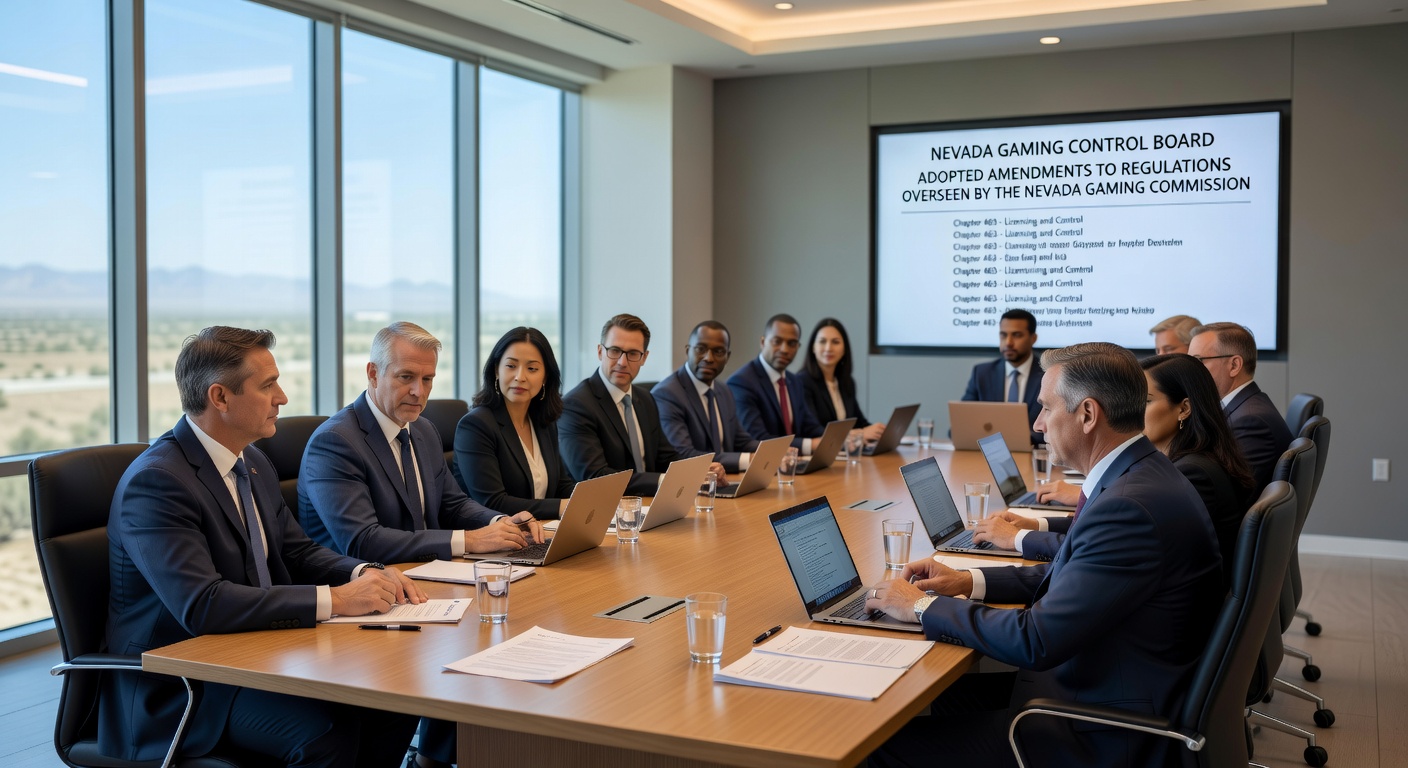
Regulatory filings submitted to the Washington State Gambling Commission document the timeline for license surrenders and asset transitions, while company statements emphasize that remaining Washington properties will continue normal operations with no immediate changes planned for those locations. Figures from the commission's public database reveal that Maverick Gaming currently maintains a portfolio of eight active gaming establishments in the state after accounting for the latest closures.
Broader Industry Context
Analysts tracking casino sector trends point to consolidation patterns that have appeared across multiple states since 2024, and Washington represents one market where operators have adjusted footprints in response to shifting player preferences and rising operational costs. Reports from the American Gaming Association indicate that several regional operators have pursued similar strategies involving selective closures while maintaining core assets in stronger demographic areas.
State gaming revenue reports for the first half of 2026 show mixed results across Washington facilities, with some locations experiencing flat or declining visitation compared to pre-pandemic baselines. Those who've examined the data note that operators like Maverick Gaming have responded by concentrating marketing and capital expenditures on properties that demonstrate stronger long-term viability.
Industry organizations such as the National Council of Legislators from Gaming States have hosted discussions on these consolidation trends, and presentations at their June 2026 meetings highlighted case studies from multiple jurisdictions where operators reduced physical footprints without exiting markets entirely. The Washington example fits within that documented pattern of targeted adjustments rather than wholesale withdrawals.
Regional Employment and Community Effects
Employment data compiled by the Washington Employment Security Department tracks job impacts from the initial round of closures, and those figures show that approximately 180 positions were affected across the first three properties. The additional closures announced in June 2026 are expected to impact a further 120 workers according to company estimates provided in regulatory submissions.
Local economic development offices in the affected counties have begun coordinating with state agencies to offer retraining programs and small business support for displaced workers, and community leaders have scheduled public forums to address questions about property repurposing and future use of the sites. Historical records from previous casino closures in the Pacific Northwest show that such properties often transition to alternative commercial or mixed-use developments within two to three years.
Regulatory and Licensing Timeline
The Washington State Gambling Commission maintains oversight of all license transitions, and the current closure schedule requires submission of detailed asset disposition plans by late summer 2026. Commission staff have confirmed that review processes for these particular closures follow standard procedures established for voluntary surrenders, and no enforcement actions or compliance issues have been associated with the announcements.
Similar filings from other operators in recent years provide a reference point for expected processing times, and those precedents suggest that final approvals typically occur within 90 to 120 days of complete documentation submission. Maverick Gaming has stated that it will keep all regulatory communications current as the timeline progresses.
Conclusion
The June 2026 announcements from Maverick Gaming regarding two additional Washington closures extend an established pattern of operational adjustments that began earlier in the year. Regulatory records, employment data, and industry reports together document the scope and timeline of these changes, while state agencies continue to manage the licensing and workforce aspects through existing frameworks. The situation remains subject to updates as the operator completes required filings and implements employee transition measures across the affected locations.