Mapping Geo-Targeted Incentive Pathways in Portable Gaming Reward Ecosystems
Lars Becker · Jul 7, 2026
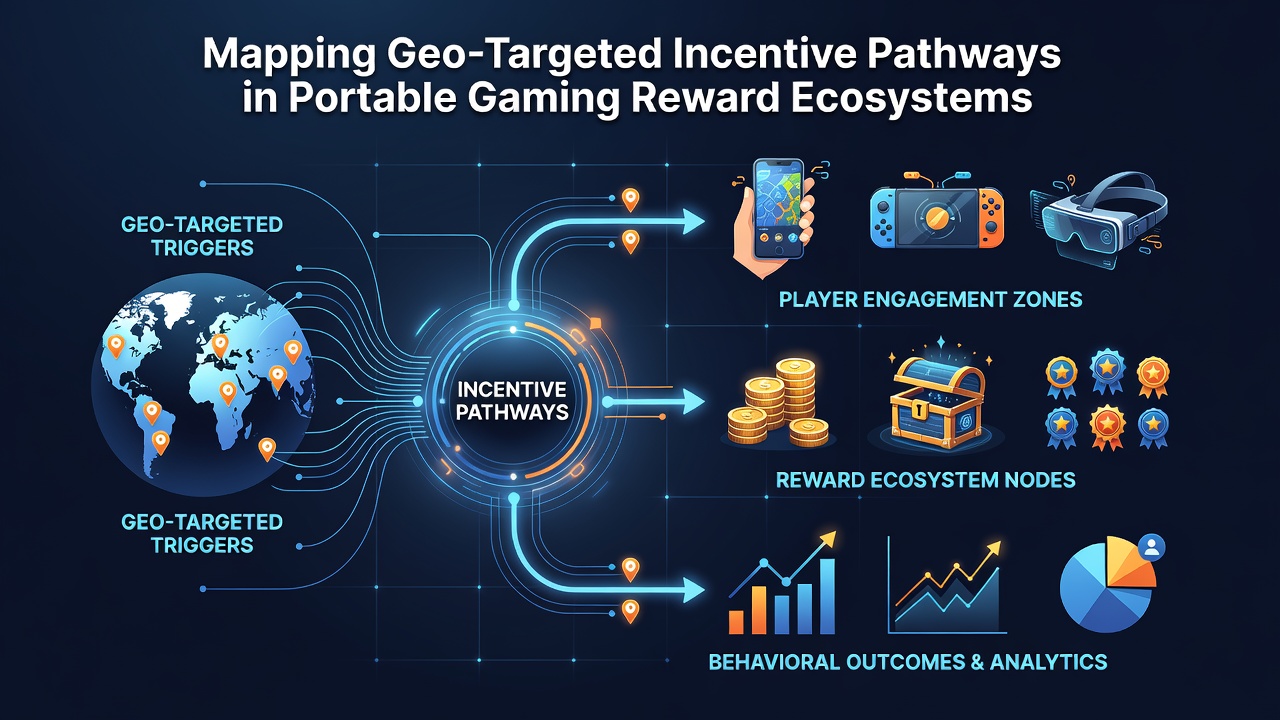
Mapping Geo-Targeted Incentive Pathways in Portable Gaming Reward Ecosystems
Mobile gaming platforms integrate location data with reward structures to create incentive pathways that adapt based on user position, and these systems rely on GPS signals combined with app permissions to deliver offers tied to specific regions. Developers build sequences where initial trial spins in one area transition into sustained engagement markers once players enter designated zones, and the process connects casual participation to tiered loyalty milestones through code-based triggers that activate at precise coordinates.Core Components of Geo-Targeted Mapping
Geo-targeting in portable environments begins with device-level location services that feed into backend algorithms, and these algorithms determine which incentives activate when a user crosses virtual boundaries around venues or urban centers. Research from industry reports shows that apps segment users by travel patterns, allowing pathways to shift from introductory bonuses in home regions to elevated rewards when players approach partner locations during events such as regional tournaments held in July 2026. Observers note that the mapping process incorporates real-time data streams from multiple sources, including cellular networks and Wi-Fi connections, to refine accuracy while maintaining compliance with state gaming statutes across different jurisdictions.
Pathway Construction in Mobile Ecosystems
Pathways form through layered sequences where entry-level incentives convert into ongoing status advancements, and this conversion occurs when location triggers align with play frequency metrics stored in user profiles. Those who study these frameworks point out that code sequencing links trial rotations completed in one city to membership markers earned in another, creating cumulative advantages that persist across sessions. Data indicates the transitions rely on notification cascades that prompt players to continue in new areas, and the cascades feed directly into loyalty structures managed by the app operators.
Integration with Broader Reward Structures
Portable gaming reward ecosystems connect geo-specific offers to centralized loyalty programs, and this connection allows progress in one location to influence eligibility for benefits elsewhere. Figures from regulatory filings reveal that operators track these movements to adjust incentive density, increasing density near high-traffic sites while reducing it in low-engagement zones. The result produces structured advancement tracks that convert initial spins into sustained participation ranks without requiring separate accounts for each region.
Regulatory and Technical Considerations in 2026
By July 2026 several state agencies had updated location-verification standards for mobile platforms, and these updates require operators to log geo-fence activations alongside reward distributions. According to reports issued by the Nevada Gaming Control Board, amended rules emphasize audit trails that document how incentives move through pathways, ensuring transparency when players cross state lines. Technical teams implement these requirements using encrypted location tokens that expire after each session, and the tokens prevent unauthorized reuse while preserving the integrity of mapped sequences.
Industry organizations such as the American Gaming Association compile annual summaries that track adoption rates of geo-enabled features, and the summaries show steady growth in the number of apps employing such mapping techniques. Researchers examining these patterns find that the pathways often incorporate seasonal adjustments, aligning bonus density with tourism cycles and local events that draw mobile users to specific gaming districts.
Examples of Pathway Activation
One documented case involves an app that activates bonus multipliers when users enter a defined radius around partner venues, and the multipliers accumulate toward higher loyalty tiers after repeated visits. Another instance shows notification systems prompting players who complete introductory spins near their residence to continue progress once they travel to secondary markets, thereby extending engagement across geographic boundaries. These examples illustrate how entry incentives transform into enduring participation ranks through coordinated code triggers and location checks.
Conclusion
Geo-targeted incentive pathways in portable gaming reward ecosystems operate through integrated location services, sequential code activation, and loyalty program linkages that convert regional play into sustained status progressions. Regulatory updates through mid-2026 continue to shape verification methods, while industry data tracks adoption and refinement of these mapping techniques across multiple markets. The systems maintain objective records of transitions from trial activity to tiered membership, supporting structured advancement within app-based environments.