Investigating Interlinked Perk Mechanisms That Convert Entry Incentives Into Enduring Participation Ranks Across Virtual Betting Networks
Petra Keller · Jun 6, 2026
Investigating Interlinked Perk Mechanisms That Convert Entry Incentives Into Enduring Participation Ranks Across Virtual Betting Networks
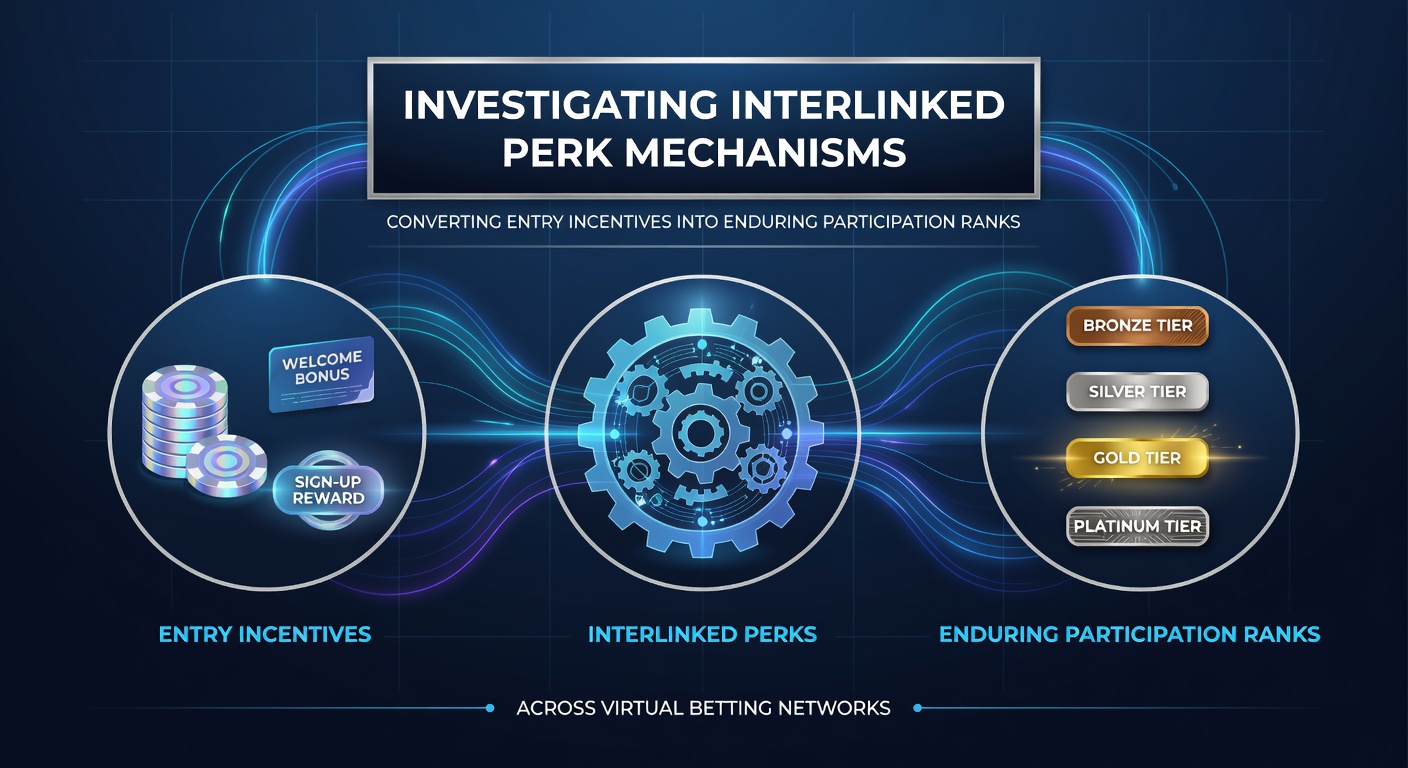
Virtual betting networks rely on structured sequences where initial rewards transition into sustained user engagement through carefully connected systems. Entry incentives such as welcome packages and trial credits serve as starting points that feed directly into loyalty frameworks. These frameworks track activity levels and assign progressive ranks based on accumulated metrics like wager volume and session frequency. Operators design these pathways so that each completed action unlocks subsequent benefits. A user who claims an introductory offer might receive points that count toward tier advancement. This process repeats as the system layers additional rewards like cashback percentages or exclusive game access onto existing balances. Data from platform analytics shows that participants who engage with multiple linked perks maintain higher retention rates over extended periods.Core Components of Entry Incentive Structures
Entry incentives typically include deposit matches, free spin allocations, and no-deposit credits distributed at account creation. These elements integrate with backend tracking software that monitors how users apply the initial rewards. Once activated the incentives generate data points that influence rank calculations. For instance a completed set of spins from a welcome bonus adds to a user's activity log which then triggers eligibility for the next tier.
Platform operators maintain these connections through rule-based algorithms. The algorithms assign weighted values to different actions ensuring that early-stage participation contributes to long-term status markers. Industry reports indicate that networks operating across multiple jurisdictions standardize these mechanics to comply with varying regional requirements while preserving the core conversion pathway.
Transition Pathways from Initial Rewards to Tiered Status
Conversion occurs when accumulated metrics reach predefined thresholds. Users move from basic participation levels to intermediate ranks by completing sequences that combine incentive usage with regular play. At each stage new perks activate such as increased point multipliers or priority support access. These additions reinforce continued activity because they build directly on prior achievements.

Observers note that successful transitions depend on transparent communication of requirements. Networks provide progress trackers within mobile applications so participants can view current standings and upcoming milestones. This visibility encourages sustained interaction because users see direct connections between their actions and rank improvements. In June 2026 several major platforms introduced updated dashboards that display real-time point accrual across linked incentives.
Interconnected Systems Across Mobile and Desktop Environments
Virtual betting networks operate synchronized databases that unify activity from mobile applications and desktop interfaces. A spin completed on one device registers in the shared ledger and contributes to the same rank progression. This interconnection prevents fragmentation and maintains consistent advancement regardless of access method.
Perk mechanisms include cross-promotional elements where rewards earned in one game category transfer to another. Slot play might generate points redeemable in table game sections while live dealer sessions add bonus multipliers. Such linkages create comprehensive participation loops that extend engagement duration according to aggregated usage statistics.
Regulatory Oversight and Compliance Factors
Regulatory bodies monitor these mechanisms to ensure fair implementation. The New Jersey Division of Gaming Enforcement requires operators to document how incentives convert into loyalty benefits. Similar standards appear in reports from the Australian Communications and Media Authority which examines player protection measures within tiered systems. Compliance documentation often includes details on point expiration policies and redemption values to maintain transparency.
Research from academic institutions such as the University of Nevada Reno Gaming Research Center has examined how these interlinked structures affect participation patterns. Their analyses reveal correlations between early incentive engagement and long-term rank retention across sampled networks. These findings inform ongoing adjustments to regulatory frameworks that govern virtual betting operations.
Conclusion
Interlinked perk mechanisms form the backbone of conversion processes in virtual betting networks by linking entry incentives to enduring participation ranks. The systems rely on integrated tracking and progressive reward structures that guide users through defined stages. Regulatory oversight from multiple jurisdictions supports consistent application while industry data continues to document participation outcomes. These elements together sustain the operational model across expanding digital platforms.