Decoding Sequential Data Patterns Connecting Welcome Offers to Loyalty Tier Advancements in Mobile Gaming Applications
Jakob Reed · Aug 13, 2026
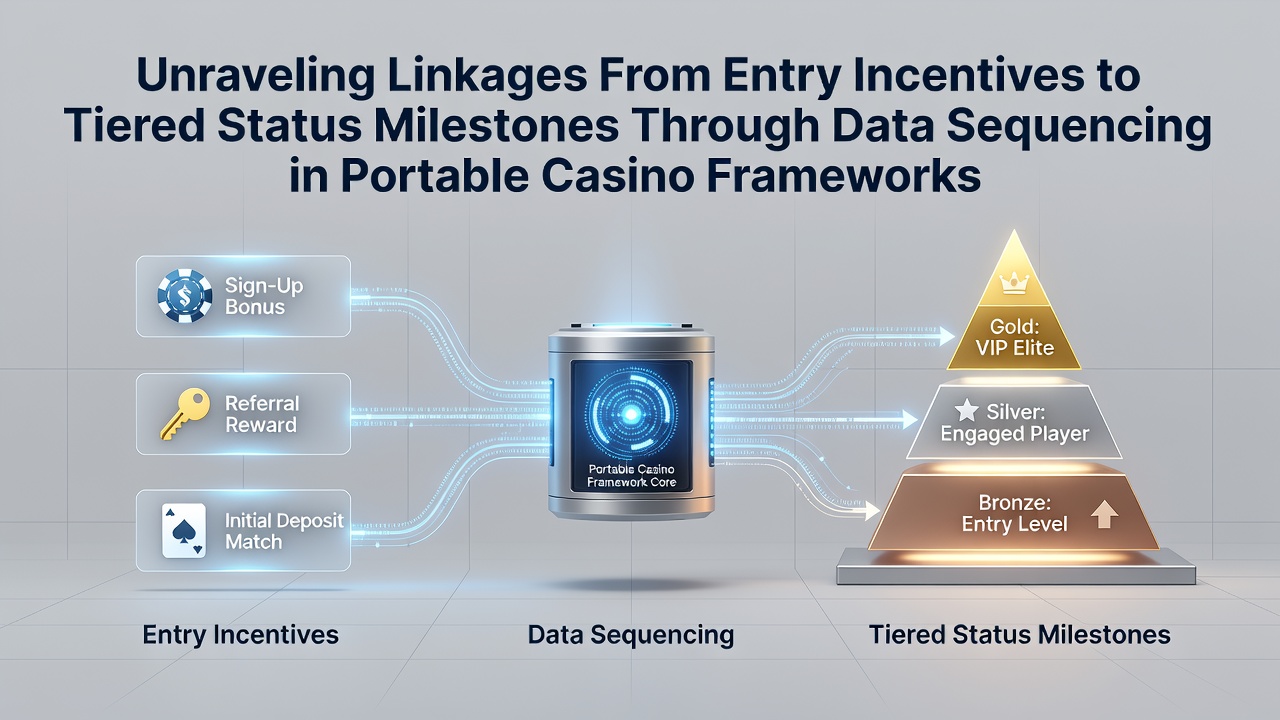
Decoding Sequential Data Patterns Connecting Welcome Offers to Loyalty Tier Advancements in Mobile Gaming Applications
Portable casino frameworks rely on structured data flows that begin when users activate entry incentives such as matched deposits or free spin allocations, and these initial interactions produce measurable engagement signals that operators sequence through backend algorithms to determine eligibility for tiered status milestones. Systems record variables including session duration, wager volume, and deposit frequency right from the first claim, while subsequent activity layers additional data points that create progression tracks toward bronze, silver, gold, and platinum designations. Researchers have documented how timestamped logs allow platforms to map player trajectories across multiple days or weeks, and this sequencing supports automated status upgrades when thresholds are crossed.
Initial Data Capture During Onboarding Phases
Entry incentives trigger the collection of baseline metrics the moment a user registers and claims an offer, yet the process extends beyond simple redemption counts because platforms also log device type, geographic location, and time-of-day patterns that later feed into predictive models. Data from these early stages gets stored in centralized player profiles where algorithms compare new arrivals against historical cohorts, and this comparison helps identify which sequences of spins or bets correlate with faster advancement to higher tiers. Observers note that mobile environments amplify the volume of available signals since apps can track push notification responses alongside in-game actions, creating richer datasets than desktop counterparts alone.
Studies from academic institutions such as the International Gaming Institute at UNLV indicate that sequenced datasets improve retention forecasts by integrating early incentive usage with later behavioral markers, and operators apply these insights to adjust milestone requirements dynamically. The sequencing occurs in stages where raw event logs are first cleaned, then grouped by player ID, and finally analyzed for cumulative patterns that signal readiness for status elevation.
Progression Mechanisms Through Layered Metrics
Once initial data points accumulate, frameworks apply weighted scoring systems that assign values to different actions, for example granting higher points for consecutive daily logins than for isolated large bets, while bonus wagering requirements add another layer of tracked variables that must be completed before status calculations finalize. Multiple sources confirm that August 2026 saw several operators update their sequencing protocols to incorporate real-time cloud processing, allowing faster recalculation of tier eligibility after each session ends. These updates reduced latency between meeting a milestone and receiving the corresponding status notification, and players experienced smoother transitions as a result.
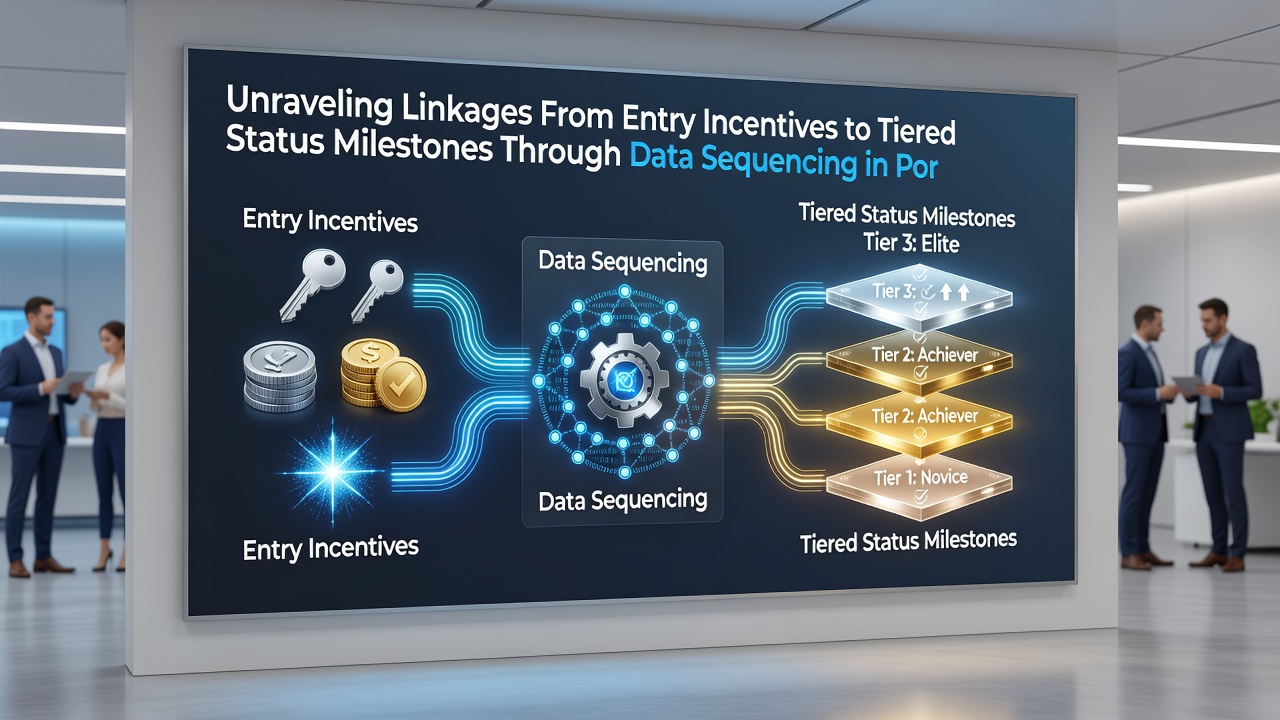
Thresholds for each tier typically combine total wagered amounts with frequency indicators, and sequencing ensures that sporadic high-volume play does not automatically override consistent lower-volume engagement that demonstrates loyalty over time. Reports from regulatory bodies including the Massachusetts Gaming Commission have examined how such sequenced tracking maintains compliance with responsible gaming standards while still supporting structured reward pathways. The integration of these metrics creates a feedback loop where status advancements unlock new incentive types that generate further data for continued sequencing.
Role of Algorithmic Sequencing in Status Determination
Algorithms evaluate sequenced datasets by applying decision trees that prioritize certain event chains over others, for instance recognizing that completing a welcome bonus followed by three additional deposits within fourteen days often precedes silver tier qualification. Portable frameworks store these decision rules in configurable modules so operators can refine weighting factors based on aggregate performance across thousands of user profiles, and this flexibility allows adaptation to shifting player demographics without rebuilding entire tracking infrastructures. Evidence from industry analyses shows that precise sequencing minimizes both under-promotion of deserving players and over-promotion of those whose activity may not sustain higher-tier benefits.
Cross-device continuity presents another dimension because many users switch between phones and tablets during a single day, requiring the sequencing engine to merge session fragments into unified timelines before milestone assessments occur. Developers implement unique identifiers that persist across installations, thereby preserving the integrity of data chains from entry incentive activation through later status milestones.
Conclusion
Portable casino frameworks demonstrate how sequenced data originating from entry incentives can systematically guide users toward tiered status milestones through continuous metric aggregation and algorithmic evaluation. The mechanisms rely on timestamped event logging, weighted scoring, and configurable decision models that update in response to new behavioral patterns, and these elements together form the operational backbone for loyalty progression in mobile environments. Continued refinement of sequencing protocols, including those implemented around August 2026, supports more accurate alignment between player activity and status recognition across diverse regulatory jurisdictions.