Decoding Sequential Activation Patterns Linking Introductory Rotations to Sustained Status Progressions in App-Based Gaming Hierarchies
Petra Keller · May 30, 2026
Decoding Sequential Activation Patterns Linking Introductory Rotations to Sustained Status Progressions in App-Based Gaming Hierarchies
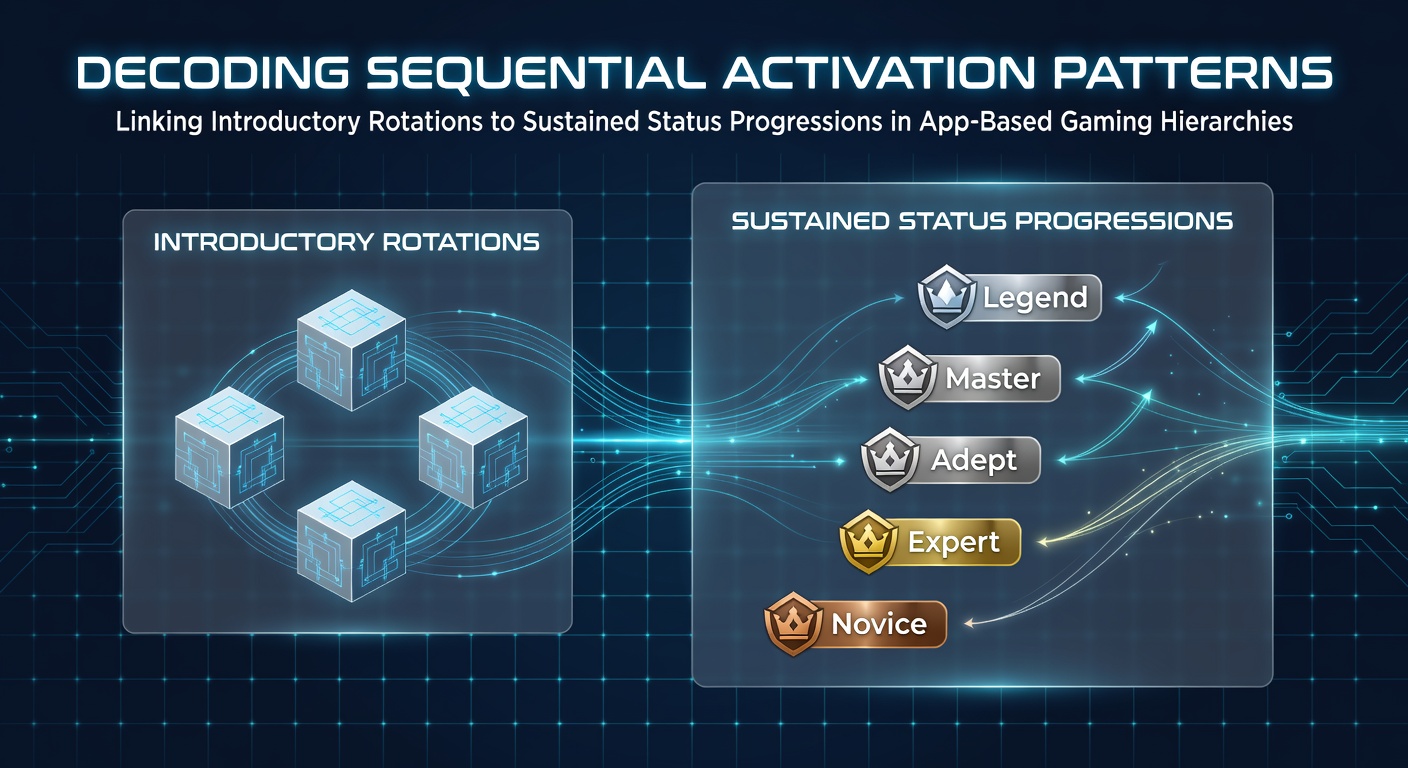
App-based gaming platforms track sequences of user interactions where introductory rotations trigger data logs that feed into broader status tracking systems, and researchers have documented how these early spins connect directly to later tier advancements through layered point accumulation mechanisms. Data from industry monitoring shows that many mobile applications record each rotation as an activation event, which then contributes to cumulative metrics used for progression calculations across multiple sessions.
Mapping Initial Rotation Sequences
Introductory rotations in these hierarchies typically involve free spin allocations or bonus rounds that users activate upon account setup, while system algorithms log variables such as spin frequency, outcome patterns, and session duration to build baseline profiles. Observers note that these logs create sequential markers, and applications often convert them into loyalty points that users apply toward higher status levels without requiring additional deposits in the early stages. Studies from gaming analytics groups indicate that such patterns appear consistently across platforms operating in regulated markets, and figures reveal that point multipliers applied during initial sequences can accelerate advancement timelines by measurable percentages.
One documented approach involves apps that embed progression gates after every five to ten rotations, and these gates unlock status indicators when users meet threshold criteria tied to rotation totals. Those who've examined user flow data find that introductory phases emphasize quick wins to encourage continued engagement, whereas sustained phases shift toward milestone-based rewards that require repeated activations over extended periods.
Pathways Connecting Early Activations to Tier Elevations
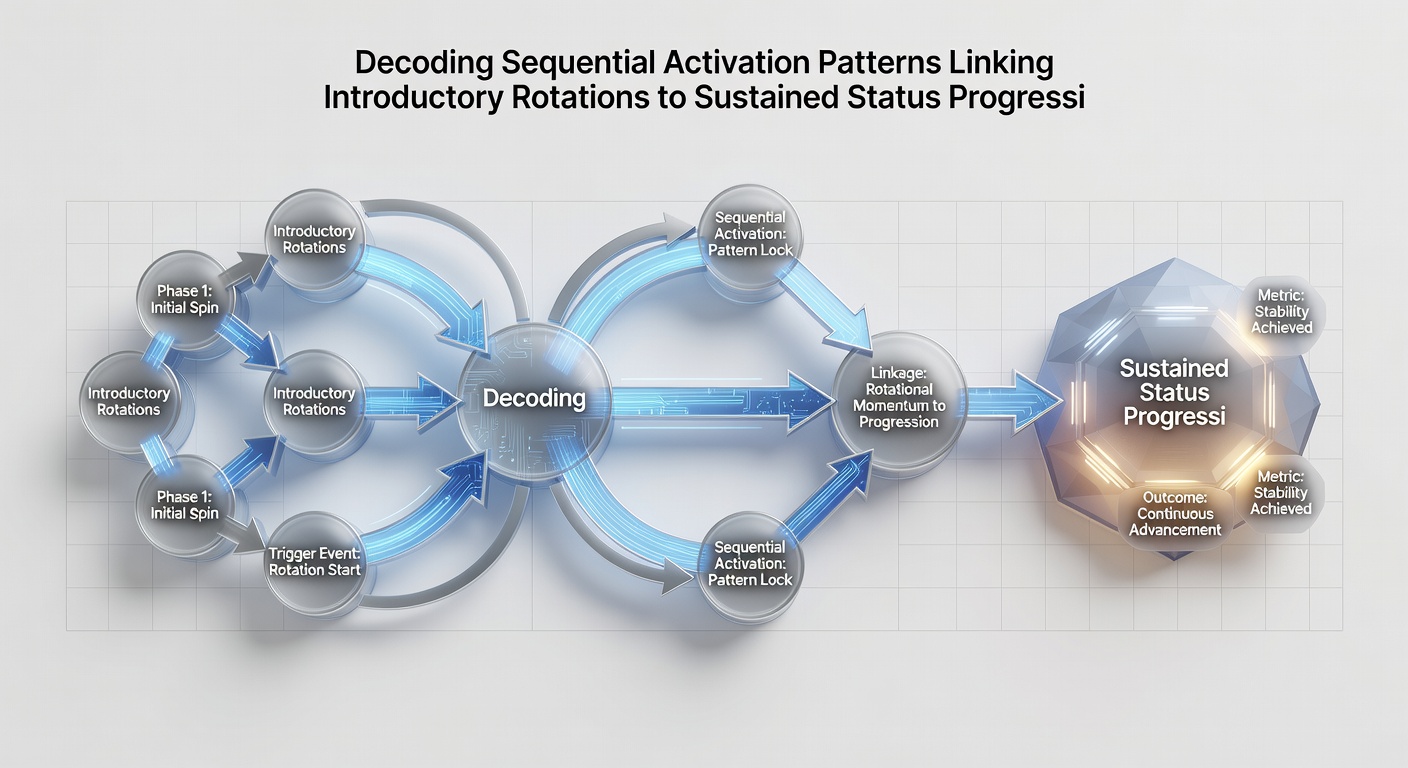
Sequential activation patterns operate through chained events where each introductory rotation feeds metrics into a central database that calculates status eligibility in real time, and developers design these chains to link bonus conversions directly to VIP point ledgers. According to reports compiled by the American Gaming Association, mobile platforms in the United States processed over 2.4 billion user sessions in the first quarter of 2026, with a significant portion showing progression from entry-level tiers to mid-tier status within 30 days when initial rotation sequences met specific density thresholds.
Applications employ algorithms that detect completion of introductory cycles and automatically apply status upgrades, while users receive notifications detailing remaining requirements for the next level. Research indicates that patterns linking rotations to progressions often incorporate time-based decay factors, meaning early activations lose partial value if follow-up sessions do not occur within designated windows. In May 2026 several platforms updated their tracking protocols to refine these decay calculations after regulatory reviews in multiple jurisdictions highlighted the need for clearer user communication around progression timelines.
Data Patterns Across Geographic Markets
Canadian regulatory filings from the Alcohol and Gaming Commission of Ontario show that app-based operators reported average progression rates from introductory to sustained status levels increased by 18 percent year-over-year through the end of 2025, and similar trends appear in European data sets maintained by national oversight bodies. These patterns demonstrate that introductory rotations serve as entry vectors that platforms convert into long-term retention tools through structured reward layering.
Users encounter status progression interfaces that display cumulative rotation counts alongside projected advancement dates, and developers integrate these displays to maintain transparency during the shift from introductory phases to sustained engagement cycles. Industry associations have compiled case examples where platforms adjusted activation thresholds in response to user behavior analytics, resulting in higher completion rates for tier elevation sequences.
Technical Mechanisms Driving Sustained Progressions
Backend systems in app-based gaming environments process rotation data through event-streaming architectures that update status variables continuously, and this architecture allows for immediate reflection of introductory contributions in loyalty dashboards. Observers have identified that many hierarchies incorporate branching logic, where certain rotation outcomes trigger accelerated point awards that bypass standard accumulation rates and push users toward sustained status milestones faster.
Platforms operating under licenses from the Nevada Gaming Control Board must maintain audit trails for all activation sequences, ensuring that progression calculations remain verifiable during compliance checks. Data shows these requirements have led to standardized logging practices that other regions have adopted voluntarily to align with international operational norms.
Conclusion
Sequential patterns in app-based gaming link introductory rotations to sustained status progressions through documented data flows that convert early activations into measurable tier advancements, and current figures from May 2026 indicate continued refinement of these systems across major markets. Regulatory updates and platform adjustments continue to shape how these connections operate while maintaining compliance with jurisdictional standards. Those monitoring the sector expect further evolution in tracking methodologies as user volumes grow and new reporting requirements emerge.