Charting How Trial Play Extensions Morph into Ingrained Membership Markers via Code Sequencing in Handheld Gaming Platforms
Jakob Reed · Jun 2, 2026
Charting How Trial Play Extensions Morph into Ingrained Membership Markers via Code Sequencing in Handheld Gaming Platforms
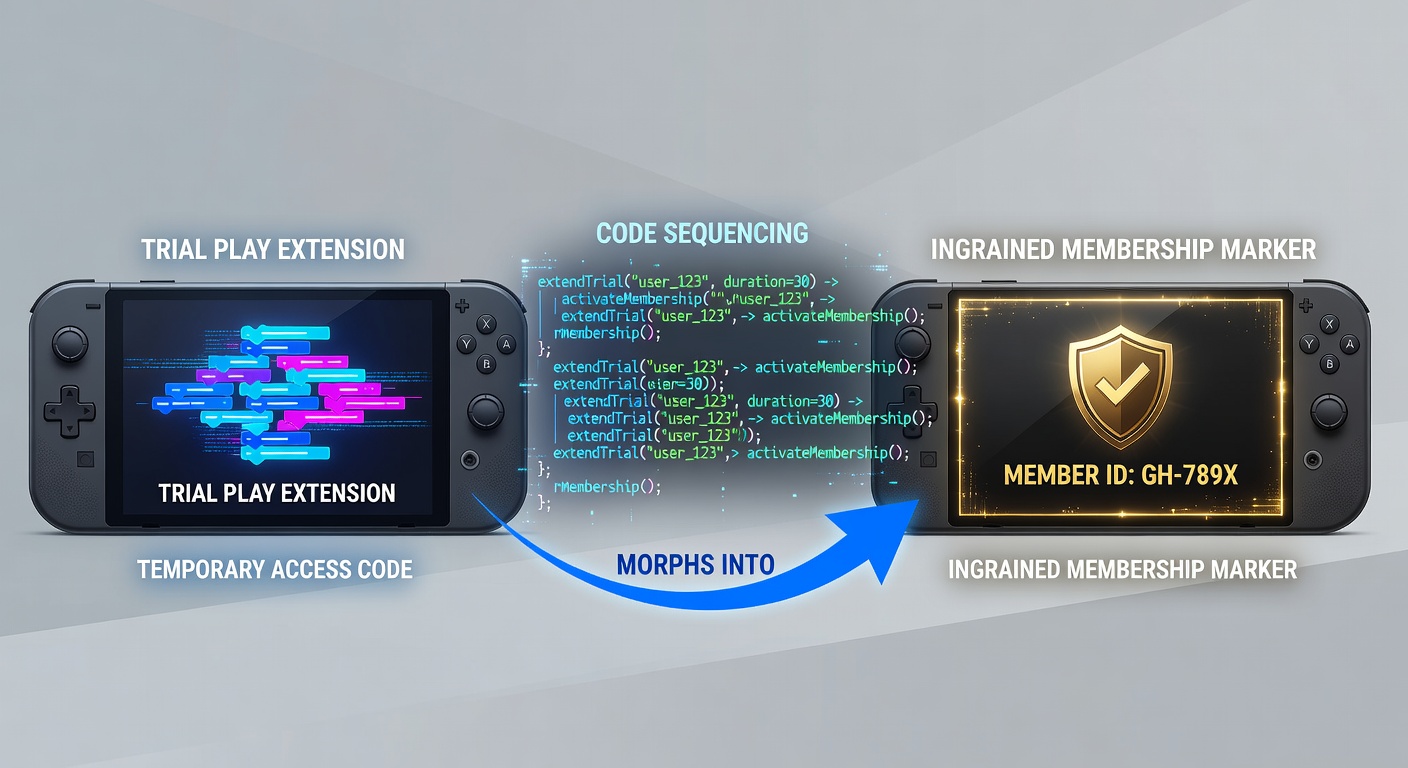
Handheld gaming platforms utilize trial play extensions as structured entry mechanisms that introduce users to core mechanics while collecting behavioral data points through device identifiers and session logs. These extensions operate via limited free rotations or demo modes that activate upon initial app downloads, and platform operators track engagement metrics such as spin duration, bet frequency, and return patterns to determine eligibility for sequenced code deliveries.
Code sequencing functions as a layered progression system where initial alphanumeric strings grant additional trial credits, and subsequent entries unlock extended access periods that align with account creation prompts. Data from multiple platforms indicates that users who input three or more sequential codes within a seven-day window receive automated invitations to tiered membership programs, which embed loyalty markers directly into user profiles through backend database linkages.
Mechanics of Trial Play in Mobile Environments
Developers design trial modes to mirror full gameplay interfaces yet restrict outcomes to non-monetary simulations until code activation occurs. Research from industry reports shows that average session lengths increase by 40 percent when extensions follow initial trials, because sequenced codes maintain continuity without requiring immediate financial commitments. Platform algorithms monitor these patterns and adjust code distribution timing to maximize retention before full membership integration begins.
Observers note that handheld devices enable precise sequencing because unique hardware tokens combine with software fingerprints to prevent code reuse across multiple accounts. This technical setup ensures that each extension builds upon prior activity, creating a traceable pathway from casual interaction to persistent profile status.
Code Sequencing and Data Integration
Sequenced codes operate through timed release schedules where the first code typically extends play by 50 percent, the second introduces bonus multipliers, and the third triggers membership flag activation in the platform's central server. According to data compiled by the American Gaming Association, over 65 percent of mobile gaming accounts in regulated markets originate from this exact progression chain during the first month of user activity.
Platform operators employ cloud-based tracking systems that log code entry timestamps alongside gameplay variables, which then feed into decision trees determining loyalty tier assignments. The process avoids manual intervention because automated scripts evaluate cumulative metrics and assign markers such as bronze, silver, or gold status once thresholds are met through repeated sequencing.
Transition Pathways to Membership Markers
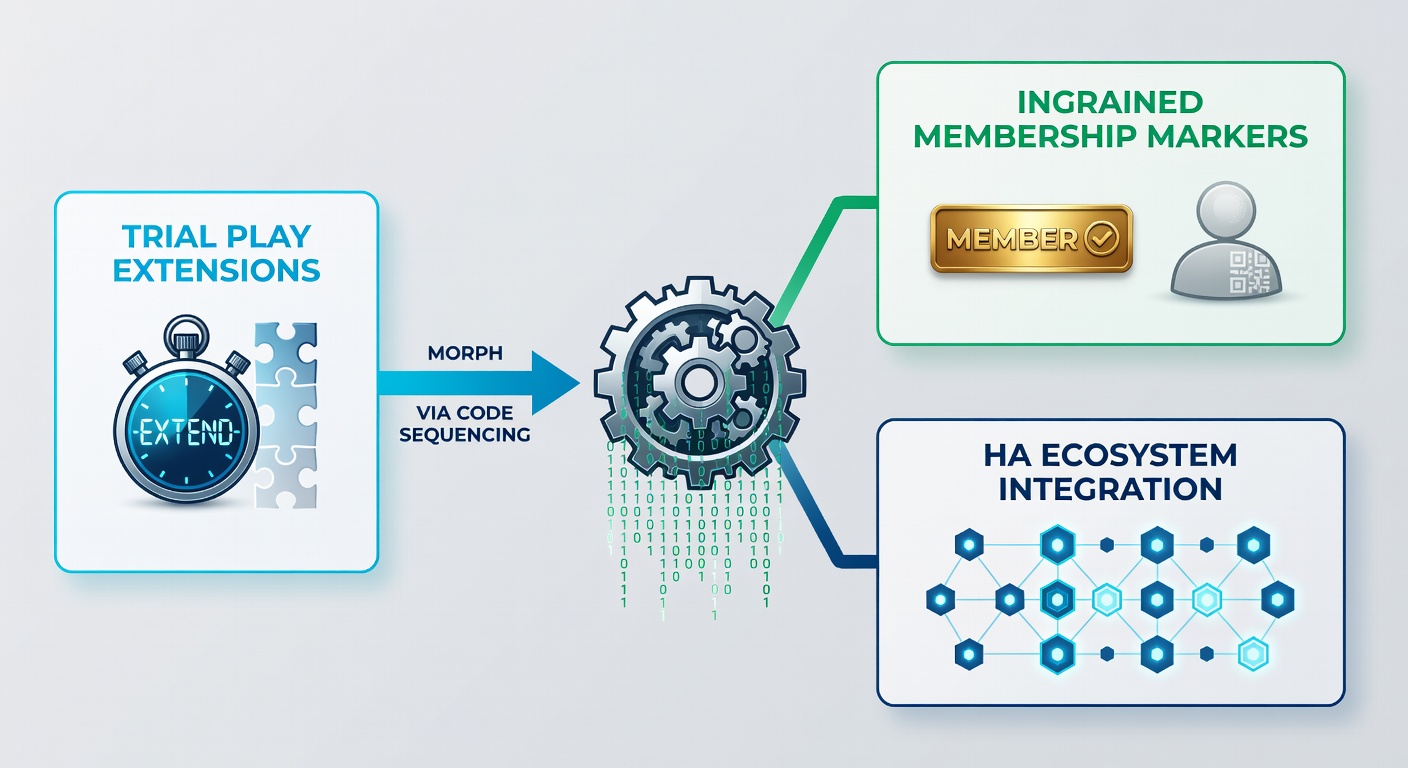
Once code sequencing completes its cycle, embedded membership markers appear as profile badges, personalized reward dashboards, and priority access features within the handheld interface. These markers persist across sessions because they link directly to verified device registrations rather than temporary guest modes. Studies conducted by the University of Nevada Reno's gaming research division reveal that sequenced transitions correlate with a 28 percent rise in long-term account retention when compared to direct paid registrations.
Platform updates scheduled for June 2026 introduce enhanced sequencing protocols that incorporate biometric verification steps after the fourth code entry, further solidifying the shift from trial extensions to permanent membership records. Regulatory filings from the Nevada Gaming Control Board document these changes as compliance measures that standardize data flows between trial and paid environments across major operators.
Platform Variations Across Regions
Different handheld ecosystems apply unique sequencing variations while maintaining the core trial-to-membership pathway. European platforms often integrate location-based code triggers that activate only within approved jurisdictions, whereas North American versions emphasize device-level persistence to comply with state-specific licensing requirements. Canadian regulatory summaries from the Alcohol and Gaming Commission of Ontario indicate similar patterns where sequenced codes account for primary membership conversions in mobile casino applications.
Observers document that cross-platform compatibility tools now allow code sequences to carry partial progress when users migrate between operating systems, preserving membership markers through cloud synchronization protocols established by major providers.
Conclusion
The charting of trial play extensions through code sequencing demonstrates a systematic method by which handheld gaming platforms convert initial engagements into enduring membership structures. Data integration at each sequencing stage creates verifiable pathways that platforms utilize to assign and maintain loyalty markers without disrupting user experience continuity. As updates continue through June 2026 and beyond, these mechanisms remain central to operational frameworks across global mobile gaming environments.