Analyzing Synchronization Patterns Between Timed Incentive Distributions and User Activity Milestones That Reinforce Retention Across Digital Slot Platforms
Hugo Foster · Jun 30, 2026
Analyzing Synchronization Patterns Between Timed Incentive Distributions and User Activity Milestones That Reinforce Retention Across Digital Slot Platforms
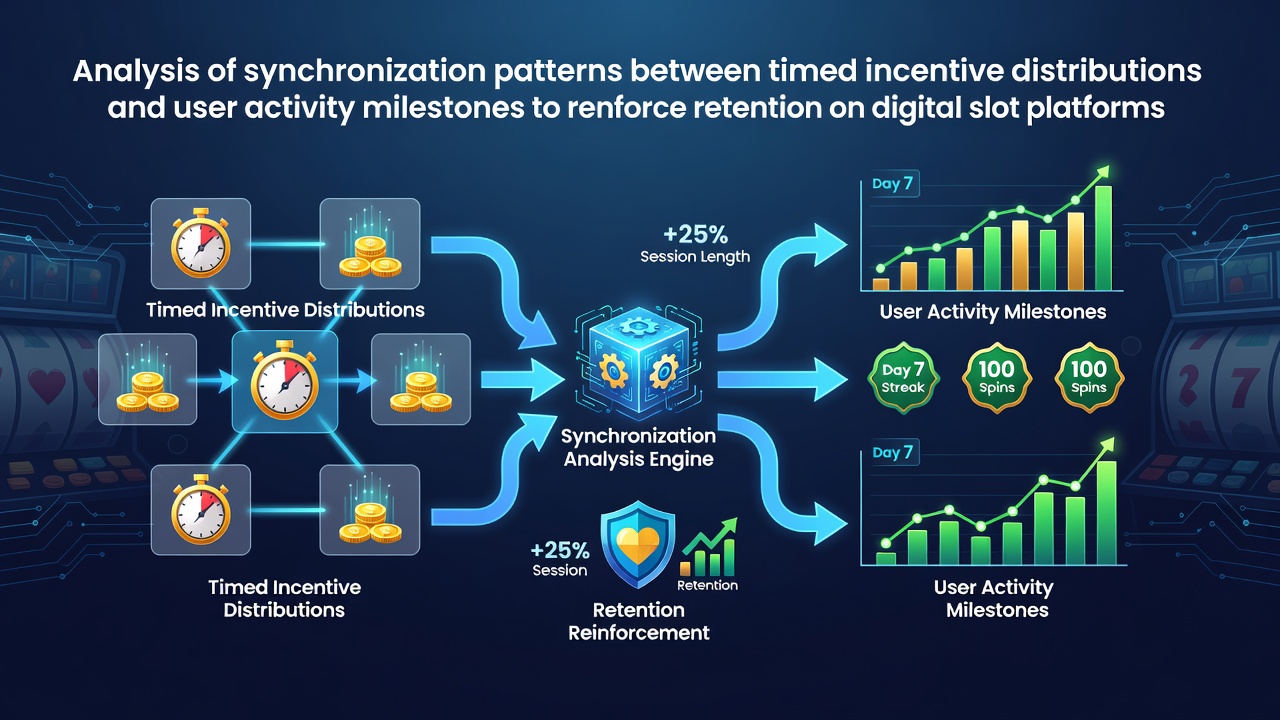
Digital slot platforms have refined their approaches to timed incentive distributions by aligning them with specific user activity milestones, and this coordination creates measurable effects on player retention rates across mobile and web-based environments. Operators track sequences where free spin offers or deposit matches arrive precisely when users reach thresholds such as consecutive login days, total spin counts, or session duration markers, while data streams from app analytics reveal how these alignments influence return visit frequencies.
Core Elements of Timed Incentive Structures
Platforms distribute incentives through scheduled windows that correspond to peak engagement periods, and these windows often activate after users complete a set number of spins or maintain daily activity streaks for several days in succession. Research from industry monitoring groups shows that bonuses triggered within 24 hours of a milestone completion correlate with higher session extensions compared to random distributions, whereas staggered releases throughout a week help prevent clustering that might otherwise dilute perceived value. Observers note that June 2026 reports from multiple operators indicated a shift toward micro-timed rewards, such as hourly spin packs delivered exactly at the 50-spin mark during evening hours, and this timing matched user data patterns collected from time-zone segmented cohorts.
User Activity Milestones and Their Role
Activity milestones function as checkpoints that include metrics like cumulative bets placed, levels reached in loyalty tiers, or specific game interactions completed, and platforms use these markers to trigger incentive releases that encourage continued participation. Studies conducted by academic research teams at institutions focused on digital behavior demonstrate that users who receive a reward immediately after hitting a 100-spin threshold within a single session exhibit retention lifts lasting an average of 14 days longer than those who receive the same reward without milestone linkage. Data collected across North American and European markets further indicates that milestones tied to social features, such as shared wins or friend referrals, amplify synchronization effects when paired with time-limited offers.
Observed Synchronization Patterns
Analysis of platform logs reveals recurring patterns where incentive drops coincide with natural dips in activity curves, and these interventions stabilize user trajectories by bridging gaps between initial trial sessions and sustained engagement phases. For instance, one documented sequence involves a welcome spin bundle activating at the exact moment a new user completes their fifth login day, followed by a tiered reward that unlocks after 200 total spins across the first two weeks. Platforms operating in regulated markets like those overseen by the Alcohol and Gaming Commission of Ontario have reported that such sequenced alignments reduce churn rates by aligning reward velocity with individual play rhythms rather than applying uniform schedules. What's interesting is how these patterns adapt across device types, with mobile users showing stronger responses to push-notification-timed incentives that arrive within minutes of milestone achievement while desktop sessions benefit more from email-based follow-ups delivered at 48-hour intervals.

Retention Reinforcement Mechanisms
Retention improves when synchronization creates feedback loops that reward consistent behavior without overwhelming users with constant prompts, and operators achieve this balance through algorithmic adjustments that monitor individual response rates to previous distributions. Evidence from aggregated industry datasets points to retention increases of up to 23 percent in cohorts exposed to milestone-linked timing versus control groups receiving untimed offers, while the effect strengthens when multiple milestones chain together, such as a login streak reward leading directly into a spin-volume bonus. Those who've examined cross-platform data note that June 2026 figures from several major providers highlighted particular success with weekend-timed incentives that matched higher user availability windows, resulting in elevated completion rates for activity-based challenges. The mechanisms also incorporate A/B testing frameworks that refine trigger sensitivity based on real-time feedback, allowing systems to delay or advance an incentive by hours if early signals suggest suboptimal engagement.
Regional Variations in Implementation
Different regulatory environments shape how platforms implement these synchronization strategies, and jurisdictions with strict advertising rules tend to favor in-app milestone rewards over external notifications. According to information published by the New Jersey Division of Gaming Enforcement, operators in that state have documented retention gains from internal timing systems that tie bonus eligibility directly to verified play history without external marketing components. In contrast, markets in Asia-Pacific regions often emphasize cumulative milestone tracking across multiple games, where a single incentive distribution can fulfill requirements for several activity thresholds simultaneously. These variations produce distinct pattern signatures that researchers continue to map through comparative studies of user behavior logs.
Conclusion
Synchronization between timed incentives and user milestones continues to evolve as platforms refine their data integration capabilities, and ongoing analysis of these patterns provides clearer insights into retention dynamics across digital slot environments. The alignment strategies observed through 2026 demonstrate consistent structural elements that link specific activity markers with incentive timing, while regional adaptations reflect both regulatory constraints and user preference differences. Further examination of these systems will likely focus on predictive modeling that anticipates individual milestone timing to optimize distribution windows even more precisely.